 Florida's Film, Television and the Arts Magazine






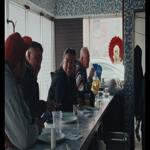
Valentina: the Humanity and Politics of El Paso
Valentina blends together documentary and fictionalized narrative cinema to wonderful ends. It is a delightful portrait of the immigrant community in El Paso despite the intense political climate both there and nationwide. One of the few acted characters in the film, Valentina (Keyla Monterroso Mejia) functions both as an audience surrogate into the community by being a person who generally uses English as her primary language and by having the most relatable problem in the world, not enough money. The first thing Valentina does in the film is cross the U.S. and Mexico border into El Paso. As portrayed, it is a strangely humiliating process. The walkway is quite narrow, forcing everyone crossing to be single file, like children going from their classroom to recess. In this case, it is a long walk through rows of ICE agents and border security into a town that is systematically designed to be exploitative.
A lot of the feelings that radiate across El Paso start with Valentina. Her smile lights up every single room she walks into, and that turns most people that she encounters along her journey into allies. At one point, she goes to donate plasma, and she is almost immediately crowded by kind strangers educating her on the process and insisting that she eat beforehand. Outside of a tow truck driver hell bent on doing his job, just about every Latinx person is unbelievably kind to Valentina. Rather than turning the real life members of this community into caricatures to be satirized, people exist and have their own stories on the edges of the frame. She also shares a naked anger with the structures that hold her in place. She is never the most ambitious or focused character as she spends her hard earned cash on some Modelos and a psychic session, but her disinterest in participating in systems that are built to actively work against her makes the audience lean in closer. She is an authentically messy person that also functions as an emotional window into the Latinx community of El Paso.
The film’s messaging about the OmniBase Failure to Appear Program is not subtle. In interstitials in between Valentina’s hijinks, the film quite overtly through narration introduces the audience to OmniBase and the larger systematic issues with America that allow such a predatory institution to contract with city governments. By targeting minorities and people with less inherent power, in this case immigrants (both classically defined legal and illegal), OmniBase can put people under their thumb and allow for exploitation of an entire community. If someone without a Social Security card has to pick up work immediately to pay a potentially $500 fine that will have surcharges added onto it, their best prospects are under the table work where migrant workers are underpaid for the value of their labor. The more ideologically scenes flow well because of the episodic nature of the film although it does take a minute to find its footing. Valentina allows for all of these concepts and characters to cohabitate despite being didactic. Some of the more contrived elements, like the family drama and the subplot with the father, feel a bit out of place because of how alive El Paso feels.
The filmmaking pair of Tatti Ribeiro (director, producer, and co-writer) & Noelle Forougi (producer and co-writer) provide a bold cinematic voice to Valentina. Albert Serra’s Pacifiction comes to mind as both films feel like free flowing art pieces that exhibit the spirit of a place through vignettes and a heightened perspective. The 16mm photography is lush and hazy, providing a wonderful slacker energy to the film. Valentina is affectionate to a town and a community that must find a way to coexist, and Ribeiro & Forougi’s unrestrained filmmaking fits quite naturally in El Paso too.
If you want to learn more about the OmniBase system and how it disproportionately affects minorities, you can read Driven by Debt: The Failure of the OmniBase Program, a research report by Texas Appleseed & Texas Fair Defense Project.
Screened at the Florida Film Festival.


